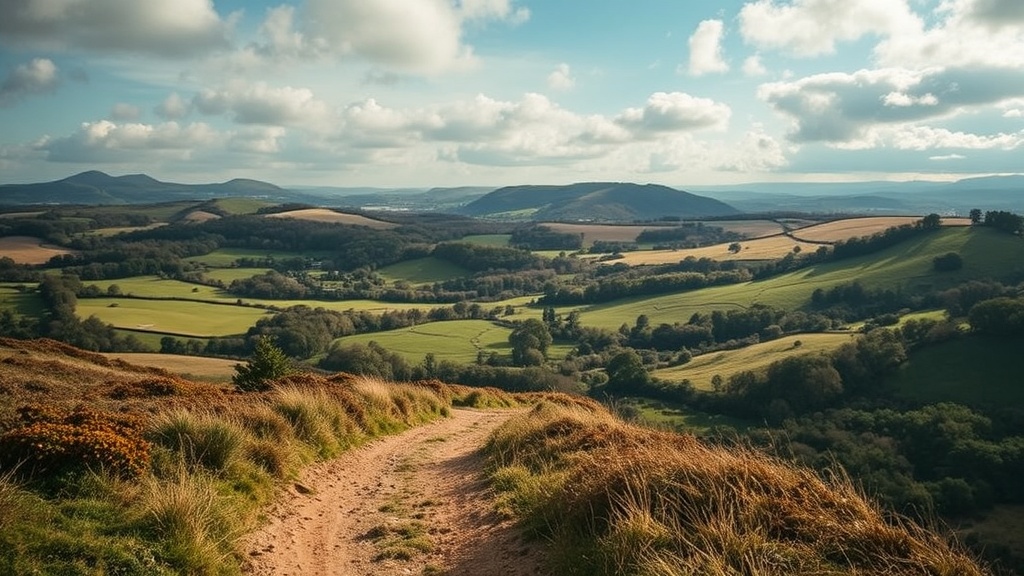
7 Unforgettable Countryside Escapes for Your Next Weekend Adventure

The Cotswolds, England: Quintessential Village Charm
Tuscany, Italy: Rolling Hills and Vineyard Retreats
Provence, France: Lavender Fields and Rustic Elegance
Kyoto Countryside, Japan: Bamboo Forests and Ancient Temples
Banff National Park, Canada: Mountain Wilderness Escape
Weekend getaways don't have to mean crowded city centers or overpriced tourist traps. The countryside offers something better — space to breathe, landscapes that reset your mind, and small-town hospitality you can't fake. This guide covers seven distinct rural destinations, each within a few hours of major Canadian and U.S. cities, complete with where to stay, what to eat, and how to make the most of 48 hours away from the grind.
What Are the Best Countryside Destinations Near Major Cities?
The best countryside escapes combine accessibility with authentic rural character — think working farms, historic villages, and protected natural areas rather than suburban sprawl. Here's where to go when you need to unplug without spending half your weekend in transit.
1. The Annapolis Valley, Nova Scotia
Two hours from Halifax sits a 150-kilometer stretch of orchards, vineyards, and tidal river views. The Annapolis Valley isn't polished for tourists — it's a working agricultural region that happens to welcome visitors.
Stay at the Digby Neck area farmhouse rentals or the historic Queen's Inn in Annapolis Royal. Mornings here start with apple blossom views (May is spectacular) and locally roasted coffee from Just Us! Coffee Roasters in Wolfville.
The catch? Public transit doesn't exist here. You'll need a vehicle — ideally something with ground clearance for the occasional unmaintained farm road.
2. The Eastern Townships, Québec
Known locally as les Cantons-de-l'Est, this region an hour east of Montreal blends French Canadian culture with New England architecture — a legacy of Loyalist settlement. Rolling hills, lakeside villages, and over 20 wineries make it a four-season destination.
Book a room at Manoir Hovey in North Hatley (Relais & Châteaux property, lakefront, restaurant worth the splurge) or save with Airbnb options in Knowlton village. The Wine Route connects family-run vineyards offering tastings without the Napa pretension.
Fall foliage peaks mid-October. That said, summer brings farmers' markets, lake swimming, and the Bromont mountain bike trails — 25 kilometers of lift-served downhill.
3. Prince Edward County, Ontario
Three hours from Toronto, "The County" has transformed from quiet farming peninsula to sophisticated rural destination without losing its soul. Sandstone cliffs, freshwater beaches, and a cluster of wineries, cideries, and farm-to-table restaurants make it ideal for long weekends.
Stay in converted barns at East Lake or the boutique June Motel in Picton (yes, it's Instagram-famous, but the rooms are genuinely comfortable). Drake Devonshire remains the flagship property — waterfront, art-filled, impossible to dislike.
Worth noting: Sandbanks Provincial Park features the world's largest baymouth barrier dune formation. The Outlet Beach has shallow, warm water — rare for Lake Ontario.
4. The Cotswolds, England
Technically not Canadian — but accessible via direct flights to London and a 90-minute train or car path west. The Cotswolds represent the gold standard of countryside preservation: honey-colored limestone villages, footpaths crossing working farmland, and pubs that haven't changed in centuries.
Base yourself in Stow-on-the-Wold (central, good transport links) or Bibury (picture-perfect, quieter). The Cotswold Way national trail offers 102 miles of marked walking — tackle a section rather than attempting the whole route.
Pubs matter here. The Wild Rabbit in Kingham serves modern British cooking in a 17th-century setting. The Ebrington Arms near Chipping Campden remains a proper village local — no tourists at the bar, excellent local ales.
5. The Finger Lakes, New York State
Five hours from Toronto or four from New York City, this region of eleven long, narrow lakes offers the antidote to Hudson Valley crowds. Waterfalls, gorges, and over 100 wineries cluster around Seneca and Keuka lakes.
Stay at Mirbeau Inn & Spa in Skaneateles (French country estate aesthetic, excellent restaurant) or rent lake houses through VRBO for group trips. Watkins Glen State Park features a two-mile gorge trail with 19 waterfalls — accessible, dramatic, and heavily photographed for good reason.
The wine here surprises people. Cool climate varietals like Riesling and Gewürztraminer thrive on the steep lakeside slopes. Hermann J. Wiemer Vineyard produces world-class Riesling that holds its own against German counterparts.
6. The Scottish Highlands
For a longer weekend — or those willing to fly — the Highlands deliver raw space on a scale that resets perspective entirely. Five hours' drive from Edinburgh (or direct flights to Inverness), this is mountain, loch, and moor country.
The Isle of Skye requires commitment — a bridge connection since 1995, but still remote. Stay at The Three Chimneys (restaurant with rooms, legendary local seafood) or self-catering cottages in Portree. The North Coast 500 driving route loops 500 miles of dramatic coastline — doable in a weekend if you cherry-pick sections.
Weather dominates everything. Pack layers, waterproof everything, and embrace the changeability. A sunny morning can shift to horizontal rain by afternoon — then clear for sunset that paints the mountains orange.
7. The Laurentians, Québec
An hour north of Montreal, the Laurentian Mountains offer accessible wilderness without the logistical challenges of more remote destinations. Lakes, forests, and small villages connected by the P'tit Train du Nord linear park (a converted rail trail stretching 200 kilometers) make this active-weekend territory.
Mont-Tremblant gets the attention — and the crowds. Better options include Sainte-Adèle and Sainte-Agathe-des-Monts, with smaller hotels and cabin rentals at half the price. Scandinave Spa Mont-Tremblant remains worth the splurge — outdoor hot pools, cold plunges, and strict silence rules that actually enforce relaxation.
Winter brings skiing (downhill at Tremblant, cross-country everywhere). Summer offers lake swimming and the International Blues Festival in Mont-Tremblant each July.
How Do You Choose Between Different Countryside Escape Styles?
Not all rural getaways serve the same purpose. The right choice depends on what you're actually seeking — activity or stillness, social atmosphere or isolation, culinary focus or space immersion.
| If You Want... | Choose... | Skip... |
|---|---|---|
| Wine and food focus | Prince Edward County, Finger Lakes | Scottish Highlands (great food, not the point) |
| Active adventure (hiking, biking) | Eastern Townships, Laurentians | The Cotswolds (walking, not rugged) |
| Total isolation | Annapolis Valley, Scottish Highlands | Mont-Tremblant area (too developed) |
| Historic atmosphere | The Cotswolds, Annapolis Royal | Finger Lakes (pretty, not old) |
| Budget-friendly | Laurentians, Annapolis Valley | The Cotswolds (premium pricing) |
Here's the thing — mixing categories works too. A base in the Eastern Townships with day trips to both wineries and mountain bike trails covers multiple bases without constant relocation.
What Should You Pack for a Countryside Weekend?
Overpacking ruins the casual energy of rural travel. Underpacking leaves you wet, cold, or underdressed for that surprisingly good restaurant in what looks like a village general store.
The non-negotiables:
- Layers, always. Countryside weather shifts faster than city forecasts suggest. A light down jacket compresses small and covers temperature swings.
- Real shoes. Not fashion sneakers — actual walking shoes with grip. Farm roads, cobblestones, and trail approaches punish inadequate footwear.
- One nice outfit. Rural fine dining exists. The Restaurant at Manoir Hovey requires jackets for men; even casual farm-to-table spots appreciate effort.
- Phone charger + paper backup. Cell service dies in valleys. Download offline maps (Google Maps allows this) and carry the paper confirmation for your rental.
Leave the laptop. The whole point is mental distance from work — and countryside WiFi often cooperates with this intention by being unreliable.
When Is the Best Time to Visit Countryside Destinations?
Timing matters more in rural areas than cities. Off-season travel saves money but limits access — many rural restaurants, inns, and attractions operate seasonally.
Spring (April-May): Shoulder season pricing, mud instead of snow (usually), and orchards in bloom. Some hiking trails remain closed, and swimming isn't happening.
Summer (June-August): Peak everything — prices, crowds, and access. Lake destinations book months ahead. That said, long daylight hours and full service at all attractions.
Fall (September-October): Harvest season for wine regions, foliage in forested areas, perfect hiking temperatures. Popular windows (Canadian Thanksgiving, Columbus Day weekend) require advance booking.
Winter (November-March): Ski destinations thrive; others hibernate. The Cotswolds remain charming (pubs are heated, after all). The Finger Lakes wineries stay open for tastings with appointment. Prince Edward County becomes very quiet — some would say desolate; others would say peaceful.
A practical note: Check the harvest calendar if food and drink motivate your travel. Apple blossom season in the Annapolis Valley (late May) and ice wine harvest in Niagara and Prince Edward County (January, weather-dependent) offer specific experiences worth planning around.
"The countryside is not a place. It's a rhythm — slower mornings, earlier nights, conversations that aren't interrupted by traffic or timelines. You can't force it. You just have to show up and let it reset you."
Weekend escapes work best with modest ambitions. Two days isn't enough to "do" the Scottish Highlands or exhaust the Eastern Townships. Pick one base, one major activity per day, and leave space for the unplanned — the farm stand you stumble across, the local who recommends a swimming hole, the sunset that delays dinner. That's the countryside operating as intended.