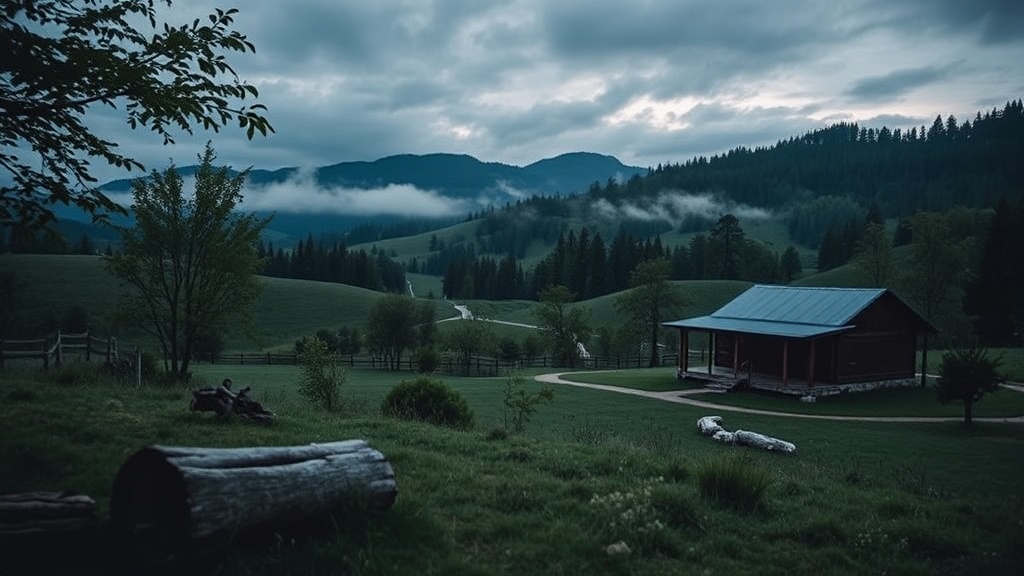
Choosing the Right Rural Accommodations for Your Next Retreat

Why Your Choice of Lodging Changes Everything
Imagine pulling up to a property where the only sound is the wind through the willow trees, only to find a neon sign or a noisy highway just a few hundred yards away. You planned a quiet weekend to reset, but the reality is a noisy motel with thin walls. This disconnect between expectation and reality happens when travelers overlook the specific nuances of rural lodging. Choosing where you sleep isn't just about a bed; it's about the environment, the service level, and the level of isolation you actually want.
In the countryside, the distinction between a high-end boutique inn and a basic farm stay is massive. One offers white tablecloth dinners and locally sourced linens, while the other offers a rustic bunk and a sunrise view from a tractor seat. Understanding these differences helps you avoid the disappointment of a "too rustic" experience when you were actually craving luxury, or a "too formal" experience when you just wanted to unplug.
What are the different types of rural stays?
When looking at countryside options, you'll see a wide variety of styles. Each serves a different type of traveler. Here is a breakdown of the most common categories you'll encounter:
- Boutique Country Inns: These are often converted historic buildings. They offer high-end amenities, professional staff, and gourmet dining. They are perfect if you want the countryside vibe without sacrificing comfort.
- Farm Stays and Agritourism: This is for the traveler who wants to get their hands dirty. You might stay in a renovated barn or a cottage on a working farm. It's an immersive experience, but be prepared for early mornings and the occasional scent of livestock.
- Bed and Breakfasts: The classic choice. These are typically smaller, family-run operations where the host provides a home-cooked meal. It's intimate and often much more personal than a hotel.
- Self-Catering Cottages: If you want total independence, this is your best bet. You get the keys to a whole house, a kitchen, and complete privacy. It's ideal for families or long-term stays.
If you're looking for inspiration on what defines a high-quality stay, the Condé Nast Traveler often highlights how location and service define the best retreats. A well-chosen cottage can be the difference between a lonely trip and a rejuvenating one.
How do I find high-quality lodging in remote areas?
Finding the best spots requires looking beyond the first page of a search engine. In remote areas, the best places often don't spend much on digital advertising. Instead, they rely on word of mouth and local reputation. To find the hidden gems, try these methods:
- Look at Local Tourism Boards: Instead of general booking sites, visit the official tourism website for the specific county or region. They often list vetted, local-only accommodations that might not show up on global platforms.
- Check Specialized Maps: Use tools like Google Maps to look at the surrounding area. If a property is surrounded by green space and far from major roads, you've likely found a quiet spot.
- Read the "Fine Print" in Reviews: Don't just look at the star rating. Read the text. Does someone mention a loud nearby farm? Do they talk about the quality of the coffee? These small details tell you if the place matches your standards.
A great resource for checking travel standards and staying informed about global travel trends is Lonely Planet. Their regional guides often provide context on whether a specific type of lodging is common or rare in a particular area.
Is a luxury hotel worth it in the countryside?
This is a common debate. If you are visiting a rural area to escape the grind, spending more on a luxury hotel or a high-end inn can be a smart move. These establishments often invest heavily in the sensory experience—the smell of woodsmoke, the quality of the local wool blankets, and the taste of the regional produce. However, if your goal is to truly "disappear," a luxury hotel might feel too structured or formal for your taste.
For many, a mid-range, well-kept cottage provides the best balance. You get the privacy of a home with the charm of the countryside, without the high price tag of a full-service resort. The key is to decide beforehand: do you want to be looked after, or do you want to be left alone?
When planning, consider the logistics of your stay. A luxury inn will have a restaurant, meaning you don't have to drive for dinner. A remote cottage means you'll be cooking your own meals. If you haven't checked the local grocery store's hours, you might find yourself without supplies by 5:00 PM. Always check the distance to the nearest town before booking your stay.
Ultimately, the best accommodation is the one that aligns with your intention for the trip. If you want to read a book by a fire without interruptions, a small, secluded cottage is your best bet. If you want to experience local culture and meet people, a local B&B or a lively inn will serve you much better. Listen to your needs, and the rest will follow.