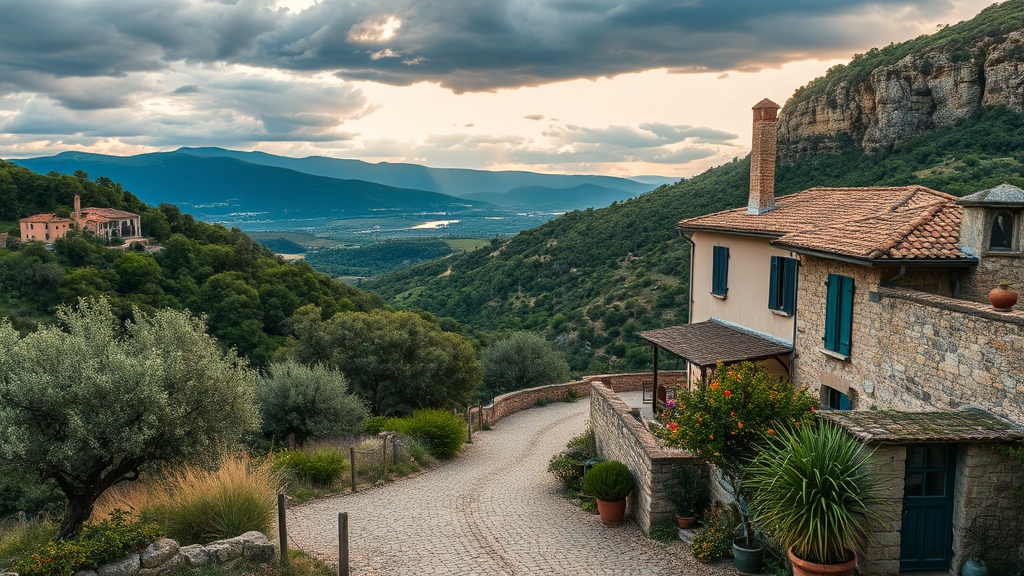
Finding Quietude in the French Luberon Valley

A Sanctuary of Stone and Lavender
Are you searching for a destination where the pace of life actually slows down instead of just feeling like it's slowing down? The Luberon Valley in Provence, France, offers more than just pretty views; it provides a specific kind of stillness that is hard to find in more commercialized parts of Europe. This post covers the specific regions within the Luberon that offer the best sense of seclusion, the logistical realities of visiting, and how to approach your visit to ensure you actually find rest rather than just another busy tourist spot.
The Luberon isn't a single destination, but a collection of small, stone-built villages that feel as though they've stayed frozen in time. While many travelers flock to the more famous areas of Provence, the Luberon maintains a certain grit and authenticity. You'll find it in the way the light hits the ochre cliffs of Roussillon or the way the morning mist clings to the vineyards near Lacoste. It's a place where your only real schedule is dictated by the sun and the local market-day cycles.
What is the best time to visit the Luberon?
Timing your arrival is the difference between experiencing a peaceful retreat and fighting through crowds. If you want the quintessential lavender experience, you're looking at a very narrow window. Most people think the height of summer is the best time, but the heat can be punishing, and the crowds in villages like Gordes can be intense. For those seeking a quieter experience, consider the shoulder seasons.
- Late Spring (May/June): The wildflowers are out, the weather is mild, and the air feels fresh.
- Early Autumn (September): The harvest season brings a different energy. The light is golden, the temperature is manageable, and the summer rush has subsided.
- Winter: It's much quieter and can be quite chilly, but if you want to see the region without a single other person in your photo, this is your best bet.
If you're planning around a specific event, check the official France tourism site for updated seasonal festival calendars. Many of these village celebrations are local affairs and aren't always advertised heavily in international media.
Which villages offer the most authentic experience?
Not all villages in the Luberon are created equal. Some have become almost entirely dedicated to high-end tourism, which can sometimes strip away that sense of local life. If you want to feel like a guest in a living community rather than a spectator in a museum, look toward the smaller, less-traveled paths.
Gordes is undeniably beautiful—it's the classic, postcard-perfect village—but it can feel quite crowded. On the other hand, villages like Bonnieux or Ménerets offer a slightly more grounded feel. You'll see locals actually working in their gardens or sitting at the café without feeling like they're part of a performance. When booking your accommodation, try to look for small, family-run B&Bs (known as Chambres d'Hôtes) rather than large hotels. This allows you to connect with the local rhythm more naturally.
"The true beauty of the Luberon isn't found in the grand estates, but in the small, quiet moments between the hills."
For those interested in the historical-geological aspect of the region, the ochre quarries near Roussillon are a must-see. The colors there are truly striking. You can find more detailed information on geological heritage via UNESCO's heritage resources, though the Luberon is more about the lived experience than a formal site.
How much should I budget for a week in Provence?
The Luberon can be as affordable or as expensive as you want it to be, which is a double-edged sword. If you're staying in a luxury villa in a prime location, be prepared for significant costs. However, if you're smart about your planning, you can enjoy a high-quality experience without breaking the bank. Here is a rough breakdown of what to expect for a mid-range experience:
| Expense Type | Estimated Cost (Per Person/Day) | Notes |
|---|---|---|
| Dining | €30 - €50 | Includes a light lunch and a nice dinner with wine. |
| Accommodation | €80 - €150 | Based on a mid-range B&B or local guesthouse. |
| Activities | €15 - €30 | Covers market-day treats and small museum entries. |
| Transport | €20 - €40 | Assuming a car rental split among a group. |
One of the biggest variables is transportation. While there are buses, they are not particularly frequent in the rural parts of the Luberon. To truly explore the backroads and the hidden viewpoints, a rental car is almost a requirement. Without one, you'll be limited to the main hubs, and you'll miss the very things that make this region special.
Don't forget to shop at the local markets. Not only is the food incredibly fresh, but it's also a way to save on dining out. Picking up some local goat cheese, fresh bread, and seasonal fruit for a picnic in a local park is often more rewarding than a formal restaurant meal. It's a way to participate in the culture rather than just observing it from a distance.
As you plan your trip, keep in mind that the goal isn't to see every single village on the list. It's much better to pick three or four and really get to know them. Stay a little longer in one spot. Drive the long way back. The magic happens when you stop rushing to the next landmark and just let the scenery dictate your afternoon.