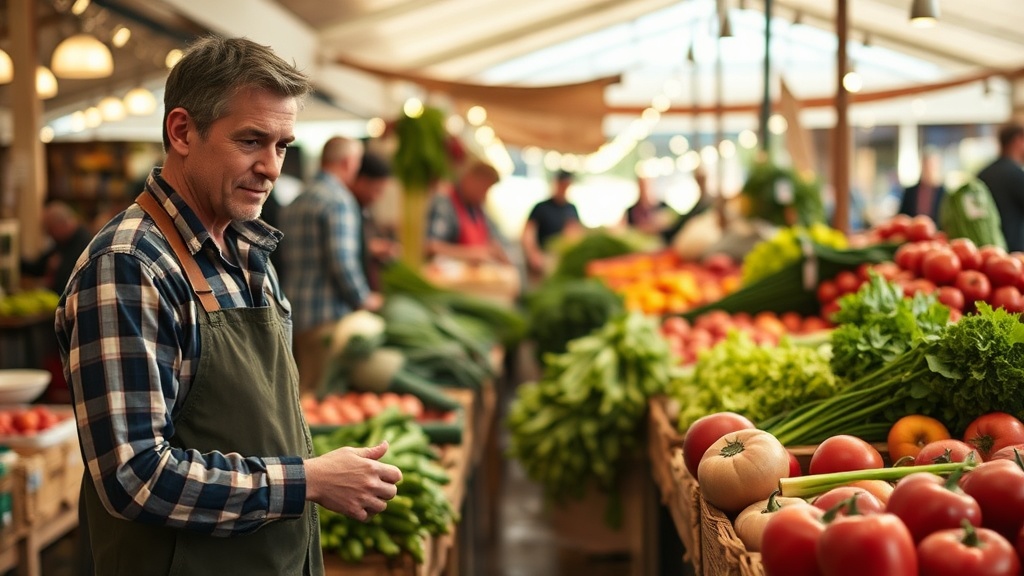
Finding Slow Food in Local Farmstead Markets

Nearly 70% of the food sold in typical grocery stores travels more than 1,500 miles before it reaches a consumer's plate. This guide examines how to identify, locate, and shop at local farmstead markets to ensure your vacation meals are seasonal, fresh, and culturally authentic. We'll look at how to spot quality produce, what to pack for market trips, and how to budget for premium local goods.
What is the difference between a farm market and a grocery store?
A farm market is a direct-to-consumer outlet located on or near the land where the food is actually grown. Unlike a grocery store, which relies on complex global supply chains, farm markets focus on hyper-local seasonality. You aren't just buying a tomato; you're buying a tomato that was likely picked yesterday.
When you're planning a rural getaway, these markets become your primary pantry. They offer a level of transparency you won't find in a supermarket. You can talk to the person who grew the kale or raised the goats. It makes a difference. (I personally find that a conversation with a farmer tells you more about the quality of the product than any label ever could.)
The primary distinctions involve:
- Traceability: You know exactly which field your dinner came from.
- Seasonality: The menu changes weekly based on what the weather allows.
- Price Structure: Prices reflect local labor and small-scale production rather than global commodity rates.
- Variety: You'll find heirloom varieties of vegetables that rarely survive long-distance shipping.
If you want to understand the broader impact of local food systems, the
How do I find the best local markets near my destination?
The most reliable way to find local markets is to check regional agricultural department websites or use specialized apps like Local Harvest. Many small farms do not have a heavy social media presence, so you have to look a little harder than you would for a standard tourist attraction.
Don't just rely on Google Maps. Often, the best farm stands are tucked away on secondary roads and don't show up with high-resolution photos. Look for signs on the road as you drive through rural areas. These hand-painted signs are often more accurate indicators of a high-quality stop than a digital advertisement.
Follow these steps to plan your shopping route:
- Research the "Agri-tourism" sector: Search for "[Region Name] + Farm Tours" or "[Region Name] + Farmers Market."
- Check local community boards: Often, the best way to find small-scale producers is through local community Facebook groups or local news sites.
- Ask your accommodation: If you're staying at a boutique inn or a B&B, ask the staff where they source their breakfast ingredients. This is a goldmine for finding high-quality vendors.
- Look for USDA or local certifications: While many farm stands are small-scale, seeing a certification can give you peace of mind regarding food safety standards.
If you're traveling light and need to know how to carry these perishable items, check out my previous guide on packing for a weekend getaway. It covers the types of containers that work best for food transport.
What should I pack to shop at farm markets?
You need to carry reusable, insulated containers and a reliable way to keep items cool. Most farm stands do not provide much in the way of packaging, and they certainly won't have a way to refrigerate your items for you. If you're driving, a high-quality cooler is a non-negotiable.
I always recommend bringing a sturdy, collapsible canvas tote. It's much more durable than a thin plastic bag when you're carrying heavy jars of preserves or heavy root vegetables. Also, don't forget a small notepad or a notes app on your phone to keep track of what you've bought and how much you spent.
Here is a checklist of the gear you'll actually use:
- Insulated Cooler Bag: Essential for dairy, meat, and eggs.
- Ice Packs: To keep the temperature stable during your drive back to your rental or hotel.
- Reusable Produce Bags: Lightweight mesh bags for fruits and vegetables.
- Digital Scale: (Optional) If you're buying bulk items like grains or nuts.
- Cash: Many small farm stands are "Cash Only" or use simple mobile payment apps.
The lack of digital infrastructure in rural areas can be a hurdle. I've seen people drive 20 miles to a beautiful farm stand only to realize they don't have enough cash for a $5 carton of eggs. It's a small detail, but it can ruin a morning.
When you're out in the field, you might encounter more rugged terrain or even a bit of mud. If your trip involves a lot of walking through farmyards, ensure your footwear is practical. If you're staying in a more remote area, you might want to look into glamping options that often provide much closer access to these types of agricultural hubs.
The quality of your travel experience is often tied to the quality of what you consume. When you choose to shop at a farmstead market, you aren't just buying food. You're participating in a local economy and ensuring that these small-scale producers can continue their work. It's a much more intentional way to travel. It requires a bit more planning and a bit more cash upfront, but the payoff—the taste of a real, sun-ripened peach versus a supermarket one—is incomparable.