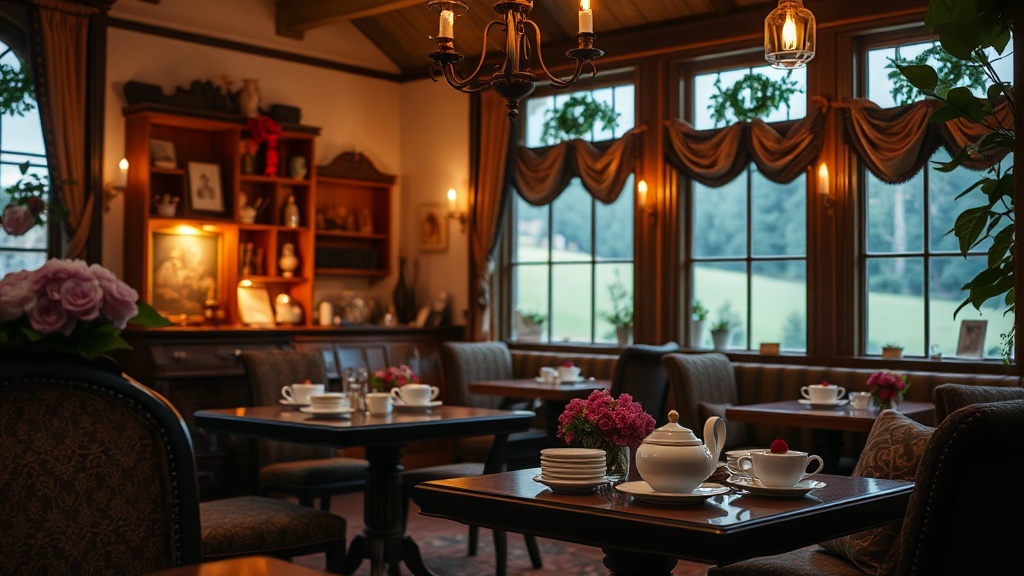
Savoring the Quiet Joy of Traditional Countryside Tea Rooms

This article explores how to identify, book, and enjoy high-quality traditional tea rooms during your rural travels. You will learn the differences between standard cafes and authentic tea rooms, how to budget for a proper afternoon tea, and what specific etiquette or timing helps make the experience seamless.
There is a specific kind of magic in a slow afternoon. It isn't about a quick caffeine fix or a grab-and-go muffin. It's about the ritual of porcelain, tiered stands, and high-quality loose-leaf tea. Finding these gems in the countryside requires a bit more effort than a simple Google Maps search, but the payoff is worth the detour.
What Makes a Traditional Tea Room Authentic?
An authentic traditional tea room focuses on high-quality loose-leaf tea, freshly baked scones, and a structured service of finger sandwiches and pastries. Unlike a standard coffee shop that serves steamed milk and syrups, a true tea room treats the tea as the star of the show.
You'll notice the difference immediately in the presentation. A standard cafe might give you a ceramic mug; a tea room offers a teapot and a warmed porcelain cup. The food isn't just a side dish—it's a multi-course experience. You'll see tiered stands holding savory bites, warm scones with clotted cream, and delicate sweets.
Look for these specific indicators of quality:
- The Tea Selection: They should offer more than just tea bags. Look for brands like Fortnum & Mason or high-quality loose-leaf blends.
- The Scone Quality: Real scones should be slightly warm and have a texture that isn't too heavy or overly sweet.
- The Service Pace: This isn't a place to rush. The service should feel intentional and unhurried.
Sometimes, the best tea rooms are tucked away in converted cottages or historic estates. These aren't usually "trendy" spots you'll find on a major social media feed. They are the places that have been serving the same recipes for decades. (And yes, the slightly dated decor often adds to the charm!)
How Much Does Afternoon Tea Cost?
A traditional afternoon tea typically costs between $35 and $75 per person, depending on the prestige of the location and the complexity of the menu.
Prices vary wildly based on your setting. If you are visiting a local village tea room in a rural area, you might find a lovely service for around $35. However, if you are visiting a high-end estate or a historic hotel, expect to pay closer to $75 or even more. It's helpful to check the menu ahead of time because "High Tea" and "Afternoon Tea" are often used interchangeably, even though they technically differ in terms of food weight and formality.
Here is a rough breakdown of what you can expect to pay for different styles of tea service:
| Type of Service | Estimated Cost (Per Person) | What's Included? |
|---|---|---|
| Casual Country Cafe | $15 - $25 | Tea/Coffee and a scone or pastry. |
| Traditional Village Tea Room | $30 - $45 | Tiered stand with savory bites, scones, and sweets. |
| Luxury/Estate Afternoon Tea | $50 - $85+ | Premium tea, gourmet finger sandwiches, and fine china. |
Worth noting: Many high-end places require a reservation—often weeks in advance—especially on weekends. Don't just show up expecting a seat. If you're planning a trip, check the venue's website to see if they offer a "Cream Tea" option, which is a lighter, more affordable version of the full service.
How Do I Find the Best Tea Rooms Near Me?
The best way to find a quality tea room is to look for local food critic reviews, specialized travel forums, or local heritage sites rather than relying solely on general review apps. Most high-quality tea rooms are deeply embedded in their local communities and may not have a massive digital footprint.
When searching, use specific terms. Instead of searching for "cafes near me," try searching for "traditional afternoon tea," "cream tea service," or "tea room [Location Name]." This helps filter out the modern Starbucks-style shops. If you're traveling by rail, you might find that some of the best spots are near historic stations. I've found that afternoon tea history often links these locations to older, more established travel routes.
If you find a place that looks promising, check their photos. If the photos show plastic containers or paper cups, keep moving. You want to see porcelain, linens, and actual silver service. That's the real indicator of a place that takes the ritual seriously.
A pro tip: Look at the menu for the presence of clotted cream. If a place is serving "clotted cream" but it looks like standard whipped cream, it's a red flag. Real clotted cream is thick, rich, and slightly grainy—it's a staple of a true British-style tea service.
When is the Best Time to Visit?
The ideal time for afternoon tea is between 2:00 PM and 4:30 PM, as this allows you to enjoy the experience as a transition from lunch to a light evening meal.
If you go too early, the kitchen might still be prepping. If you go too late, you might find the most popular scones have already sold out. I've arrived at a few lovely spots only to find the tiered stand empty because a previous group had already enjoyed the best bits. It's frustrating!
Here are a few timing tips to ensure a smooth experience:
- Aim for mid-afternoon: 3:00 PM is the "sweet spot" for most traditional establishments.
- Check for "Cream Tea" vs "Afternoon Tea": If you want a quick snack, a cream tea is often served earlier in the day.
- Avoid peak lunch hours: If the tea room is also a lunch spot, wait until the lunch crowd has cleared to ensure a quieter, more relaxed atmosphere.
If you are traveling through rural areas, keep in mind that these establishments often have limited hours. Some might only serve tea on certain days of the week or during specific seasons. Always check their official website or call ahead. This is a great time to use those quick vacation planning tips to ensure your itinerary doesn't fall apart because a shop was closed.
The beauty of a tea room isn't just the food. It's the pause. In a world that feels increasingly rushed, finding a place that asks you to sit, sip, and stay a while is a rare luxury. Whether you're traveling through the rolling hills or a quiet village, keep an eye out for those small, hand-painted signs. They often lead to the best experiences.