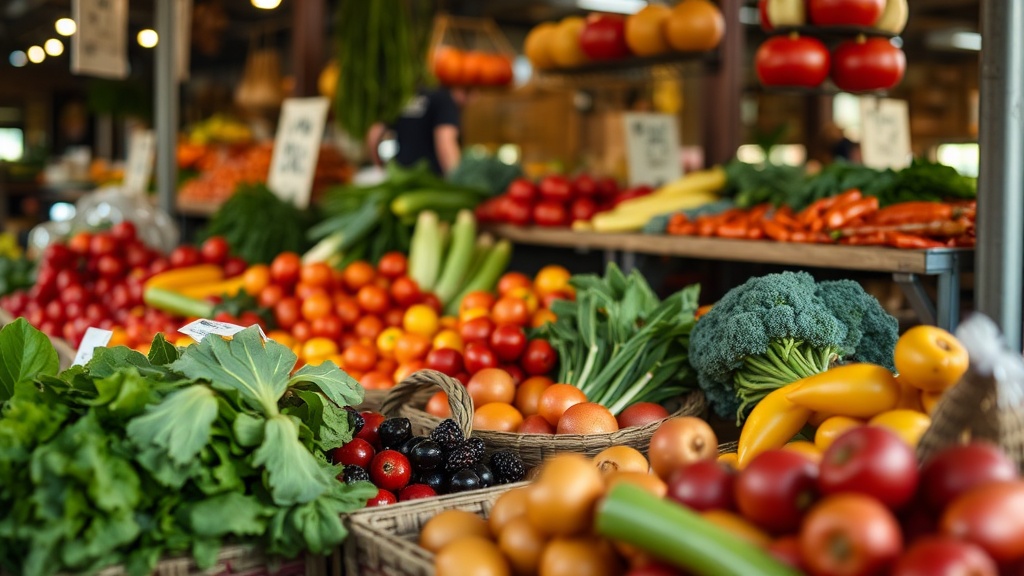
Seasonal Flavors Found in Local Farmers Markets

Spring Greens and Early Herbs
Summer Berries and Stone Fruits
Autumnal Root Vegetables and Harvest Grains
Winter Preserves and Artisanal Cheeses
This guide details the seasonal produce cycles found at local farmers markets and how to incorporate these flavors into your travel planning. You'll find specific lists of what to look for during each season, tips for identifying high-quality local goods, and how to plan your culinary itinerary around harvest times.
What are the best seasonal foods to buy in the spring?
Spring markets focus on early greens, radishes, and edible flowers. This is the season of rebirth, where the first tender shoots of the year emerge from the soil.
You'll see a lot of ramps and wild garlic appearing. These aren't just for show; they provide a sharp, pungent flavor that works beautifully in light pastas or even simple buttered toast. If you're visiting a rural area in late April or May, keep an eye out for spring onions and young carrots. These are much sweeter than the older, tougher varieties you find in standard grocery stores.
The produce is often delicate. Don't expect heavy, hearty vegetables right away. Instead, look for:
- Asparagus: Look for bright green, firm stalks without woody ends.
- Spring Onions: These should be crisp and white-tipped.
- Radishes: These add a much-needed peppery bite to early-season salads.
- Peas: Freshly shelled peas are a hallmark of a true spring market.
One thing to watch for is the availability of herbs. Early spring often brings fresh mint and chives, which are perfect for refreshing your travel beverages. It's a great time to pick up a few sprigs to brighten up a simple lunch while you're out exploring. (Pro tip: bring a small airtight container to keep herbs fresh in your bag.)
How much should you expect to pay for organic produce?
Prices for organic produce at farmers markets vary based on your specific location and the current local demand. Generally, you can expect to pay a slight premium compared to large-scale supermarket chains, but the quality difference is often worth the extra few dollars.
In many rural areas, pricing is often more transparent than in urban centers. You might see a sign that says "$4.00 per bunch" for carrots or "$5.00 per pint" for strawberries. Because these items are grown locally, the supply is tied directly to the weather and the season. A sudden frost can drive prices up, while a bountiful harvest might see them drop significantly.
To help you budget for your next trip, I've put together this quick comparison of typical market costs versus standard retail prices for common items:
| Product | Average Market Price (Local) | Average Supermarket Price | Value Proposition |
|---|---|---|---|
| Organic Strawberries | $5.00 - $7.00 / pint | $3.50 - $5.00 / container | Higher sweetness and aroma |
| Fresh Asparagus | $4.00 / bunch | $3.00 / bunch | Tender, non-woody texture |
| Local Honey | $12.00 / jar | $7.00 / jar | Unique regional floral notes |
| Heirloom Tomatoes | $6.00 / lb | $3.00 / lb | Superior flavor and variety |
The catch? If you're on a strict budget, you might want to stick to the "staple" vegetables that are abundant in the market rather than the specialty items. Buying the "ugly" fruit—the ones with slight imperfections—can often save you a bit of money. It's still delicious, I promise.
For more information on food safety and organic standards, you can check the FDA guidelines on food safety. Knowing what to look for ensures you're getting the best value for your money.
What can you find in summer farmers markets?
Summer is the peak season for variety, heavy fruits, and sun-ripened vegetables. This is when the markets truly become the center of the community, often featuring live music or local artisans alongside the produce vendors.
This is the time for stone fruits. I'm talking about peaches, nectarines, and plums that actually taste like fruit. Most supermarket fruit is bred for shelf-life and transportability, which is why it often tastes bland. Market fruit is bred for flavor. You'll notice a massive difference in the sugar content of a peach picked two days ago versus one that's been sitting in a shipping container for a week.
The heavy hitters of the summer market include:
- Stone Fruits: Peaches, plums, and cherries.
- Summer Squash: Zucchini, yellow squash, and even pattypan squash.
- Berries: Blueberries, raspberries, and blackberries are at their peak.
- Tomatoes: The variety is staggering, from beefsteak to cherry tomatoes.
If you're planning a trip that involves outdoor dining, summer is the best time to buy your ingredients. You can grab a loaf of crusty sourdough, some fresh goat cheese, and a handful of heirloom tomatoes for a perfect picnic. It's a simple way to enjoy the local culture without a high price tag. It's also a great time to look for local honey or preserves to take home as a gift.
When you're visiting a rural area, don't forget to check the local weather. A beautiful summer day is perfect for a market stroll, but it can also make certain produce more fragile. If you're buying berries, keep them in a cool spot—ideally in a small insulated bag—so they don't bruise during your travels.
What are the best seasonal flavors for autumn?
Autumn markets shift toward hearty,-earthy flavors and produce that can withstand cooler temperatures. This is the season of the harvest, and the focus moves from light and refreshing to rich and comforting.
You'll see an abundance of root vegetables and gourds. Think pumpkins, butternut squash, and sweet potatoes. These are excellent for travelers because they have a much longer shelf life than summer produce. You can easily buy a few pounds of apples or a large squash and have it sitting in your accommodation for several days without worry. This is particularly useful if you're staying in a rental cottage or a rural B&B where grocery shopping might be less frequent.
The star of the show in autumn is undoubtedly the apple. Depending on the region, you might find everything from tart Granny Smiths to sweet Honeycrisps. Pairing these with local cheeses or even a bit of sharp cheddar is a classic way to experience the season. It's also a great time to look for more complex flavors like mushrooms, which can be quite a treat if you find a reputable grower.
Here is a quick checklist of autumn essentials:
- Squash & Pumpkins: Great for hearty soups and roasting.
- Apples & Pears: Perfect for snacking or baking.
- Root Vegetables: Beets, parsnips, and carrots are at their best.
- Hardy Greens: Kale and collard greens become much more prevalent.
If you're traveling during this time, you might also find more artisanal goods like spiced cider or homemade preserves. These are wonderful ways to bring a piece of your trip back home. For more on the nutritional benefits of seasonal eating, the USDA website offers great resources on food groups and variety.
On the flip side, don't assume that "local" always means "available everywhere." If you're traveling through a specific region, try to find out which market is the biggest or most well-known. Sometimes the best finds are in the smaller, more obscure markets on the outskirts of town.
When planning your meals around these seasonal changes, remember that your itinerary should be flexible. A great farmers market trip is often spontaneous. You might go looking for a specific type of cheese and end up coming home with a bag of fresh herbs and a new favorite fruit. That's the beauty of it.