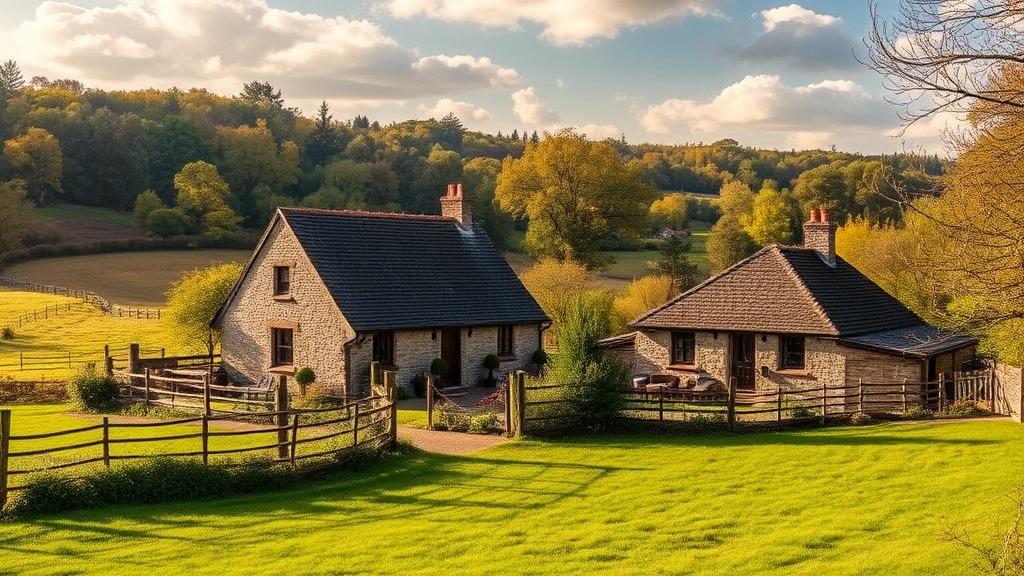
Selecting the Best Rural B&Bs for Authentic Experiences

What to look for in a rural Bed and Breakfast
This guide covers the specific criteria for selecting high-quality bed and breakfasts in remote regions, focusing on how to identify authentic hospitality versus commercialized imitations. You'll learn how to vet property amenities, verify service standards through indirect reviews, and understand the nuances of rural property types.
Finding a place to rest when you're deep in the countryside isn't just about finding a bed; it's about finding a sense of place. While large hotel chains offer a predictable level of service, they often strip away the local character that makes rural travel worthwhile. A well-chosen bed and breakfast (B&B) can provide a window into the local culture through its food, its architecture, and the people running it. However, not every establishment that calls itself a B&B is created equal. Some are merely small hotels with a breakfast service, while others are true, deeply-rooted local institutions.
When you start your search, look for properties that emphasize their connection to the land. A property that mentions its own gardens, or perhaps a partnership with a nearby dairy, is often a sign of a more authentic stay. You want to avoid places that feel like they were designed to look "rustic" for a social media feed—these often lack the genuine soul of a real country home. Instead, look for descriptions that talk about history, family ownership, and local traditions. These details tell you that the host actually cares about the heritage of the area.
One way to verify the quality of a stay is to look at the way they describe their breakfast. A generic "continental breakfast" is a red flag for a lack of effort. A true rural B&B should be able to name the local bakery or the farm where the eggs come from. If the description is vague, the experience likely will be too. You can often find more reliable information by looking at specialized travel forums or even checking the Lonely Planet community discussions for way more granular details on specific properties.
How do I know if a B&B is actually authentic?
To determine if a B&B is a genuine part of the community or just a tourist trap, you need to look at the small details. Authentic B&Bs are usually integrated into the local economy. This means they use local suppliers and often serve as a hub for local news and advice. If the website or booking page feels overly polished and clinical, it might be a sign that the experience is highly standardized and lacks any real local flavor.
Check the way the hosts interact with guests in online reviews. Are they mentioned by name? Do they offer personalized recommendations for local walks or hidden gems? In a real B&B, the host is often a wealth of knowledge. If the reviews suggest a more transactional, "check-in and check-out" vibe, you might be better off finding a more specialized boutique stay or a dedicated guesthouse. A real person—not a management company—should be the one greeting you.
Another indicator is the property's physical connection to the environment. Does the B&B have a direct connection to a trail, a field, or a specific local industry? For instance, a B&B in the English countryside might be a converted coaching inn, while one in the American South might be a historic plantation house. These historical ties provide a layer of context that a modern hotel simply cannot replicate. If the property feels disconnected from its surroundings, it probably is.
Can I find quiet B&Bs without a lot of noise?
Noise is a common concern when traveling to rural areas, as people often assume the countryside is always silent. While the natural environment is quiet, the property itself might not be. If you are sensitive to sound, you must look beyond the "peace and quiet" cliché. Many B&Bs are located on active farms or near busy-ish-but-small-town roads. If you want true silence, you need to ask specific questions about the property's proximity to agricultural-related noises—like early morning tractor movement or livestock.
The architecture of the building also plays a massive role in your level of quietude. Older, historic buildings—while charming—often have thinner walls or original single-pane windows. If you are staying in a converted farmhouse, you might hear the creak of the floorboards or the wind against the eaves. This is part of the charm, but if you need absolute silence, it's worth asking the host about the soundproofing or the thickness of the walls. A proactive host will be honest about these quirks.
To ensure a quiet stay, look for properties that are described as being "secluded" or "tucked away." Avoid anything that mentions being near a "main thoroughfare," even if it's a small one. You might also consider the time of year. A B&B that is quiet in the spring might be quite busy and social in the summer months. Checking the TripAdvisor reviews specifically for mentions of "noise" or "sound" can save you a lot of frustration. If multiple guests mention hearing neighbors or street noise, take that as a serious warning sign.
A quick checklist for your next booking
Before you hit that "confirm" button, run through this mental checklist to ensure you're getting the experience you actually want:
- The Food Test: Does the breakfast menu mention local producers or specific regional specialties?
- The History Test: Does the property have a story, or is it just a building with a bed?
- The Social Test: Do reviews mention a personal touch from the owners or hosts?
- The Location Test: Is the property truly remote, or is it just "near" a town?
- The Sound Test: Have you checked for mentions of noise in the recent reviews?
By being intentional with your choices, you turn a simple overnight stay into a meaningful part of your travels. The goal isn't just to sleep; it's to experience the culture of the place you are visiting through the very person who opens the door for you.