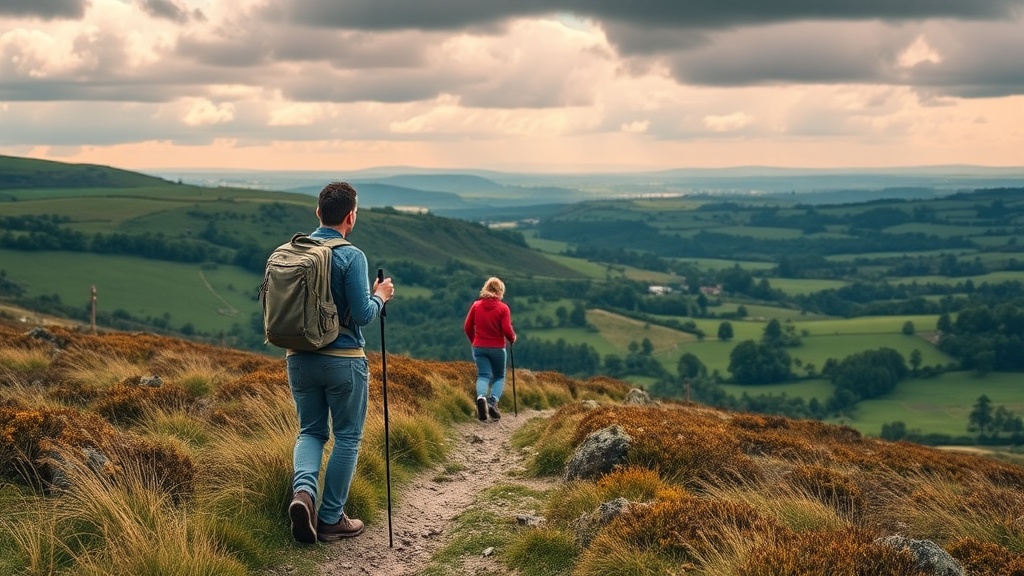
What Does It Take to Plan a Memorable Walking Holiday Through the Countryside?

Walking holidays have surged in popularity—Britain's National Trails alone saw over 500 million visits in 2023, with rural footpaths accounting for nearly half of all outdoor recreation in the UK. Yet surprisingly, most travelers still approach multi-day countryside walks as spontaneous adventures rather than structured trips. The result? Blisters, missed accommodations, and routes that promise scenic views but deliver muddy farm tracks and dead ends.
This guide covers what you need to know before lacing up your boots for a countryside walking holiday. From selecting routes that match your fitness level to understanding the rhythm of rural accommodation, these are the practical considerations that separate a memorable trek from a logistical headache.
Which Routes Suit Your Fitness Level and Interests?
Not all countryside walks are created equal—and the difference between a pleasant amble and a grueling march often comes down to terrain, not distance. A ten-mile walk across flat farmland bears little resemblance to the same distance over moorland or coastal cliffs.
Start by being honest about your daily comfortable walking distance. If you regularly cover five miles on weekend walks, don't plan a holiday around fifteen-mile days. Build in rest days every third or fourth day, especially for routes with significant elevation changes. The National Trails website provides detailed elevation profiles and difficulty ratings that help match routes to capability.
Consider what you want to see, too. Some walkers prioritize wildlife—hedgerows alive with birds in spring, deer in autumn woodlands. Others seek historical features: Roman roads, medieval ridge-and-furrow fields, abandoned quarries. The Cotswold Way offers honey-colored villages and dry-stone walls. The Pembrokeshire Coast Path delivers seabird colonies and Iron Age forts. The Ramblers Association maintains route descriptions that highlight these distinctions.
Weather patterns matter significantly. Coastal paths may be spectacular but exposed—fine in settled summer conditions, miserable in Atlantic gales. Woodland routes offer shelter but can become muddy quagmires after heavy rain. Check historical weather data for your planned dates before committing.
Where Should You Stay Along the Route?
Accommodation booking represents the most time-consuming aspect of walking holiday planning—yet it's where many travelers cut corners, assuming they can find rooms as they go. In popular walking areas during peak season, this approach often leads to either expensive last-minute bookings or long taxi rides to distant towns.
Countryside walking accommodation falls into several categories, each with distinct advantages. Traditional bed-and-breakfasts offer local knowledge over breakfast—owners who can warn about flooded footbridges or recommend the better pub for evening meals. Farm stays provide working agricultural context, though early morning tractor noise isn't for everyone. Country hotels offer more amenities but may sit farther from the actual trail.
The logistical sweet spot involves booking accommodations roughly eight to ten miles apart—far enough to feel like progress, close enough to allow leisurely starts and long lunches. This spacing also creates natural flexibility; if weather turns foul or a minor injury develops, skipping a day becomes manageable.
Some walkers prefer the simplicity of luggage transfer services. Companies like Sherpa Expeditions move bags between accommodations, allowing you to carry only a day pack. This convenience comes at cost—typically £8-12 per bag per day—but transforms multi-day walking from endurance test to pleasant stroll.
Book directly with accommodations when possible. Small rural establishments often offer better rates than online platforms, and direct communication helps clarify practical details: drying facilities for wet boots, packed lunch availability, pickup options if you need to abort a day's walking.
What Should You Pack for a Multi-Day Walk?
Packing discipline separates experienced countryside walkers from novices. The temptation to prepare for every contingency leads to heavy packs, sore shoulders, and ultimately—less enjoyable walking. The goal is carrying everything you need and nothing you don't.
Footwear demands the most careful consideration. Well-worn walking boots or shoes, broken in over months of shorter walks, prevent the blisters that ruin holidays. Never attempt a multi-day walk in new footwear. Bring blister plasters (Compeed or similar), antiseptic wipes, and tape—these weigh grams but save days.
Clothing follows the layering principle. A moisture-wicking base layer, insulating mid-layer, and waterproof shell handle most conditions. Merino wool performs exceptionally well for multi-day use—it resists odor and regulates temperature across varying effort levels. One set of walking clothes plus one set for evenings suffices; rural accommodations universally provide washing facilities or laundry services.
Navigation requires redundancy. Phone apps like OS Maps work brilliantly until batteries die or signal disappears. Carry paper maps and know how to read them—the Ordnance Survey's 1:25,000 Explorer series provides the detail necessary for countryside navigation. A basic compass and the knowledge to use it handles situations where technology fails.
Other essentials include: a headtorch (village streets are dark), basic first aid supplies, sun protection (even cloudy days burn exposed skin), and a water bottle with purification tablets for streams. Pack snacks—nuts, chocolate, dried fruit—because rural pubs and cafes operate unpredictable hours.
Should You Walk Self-Guided or Join an Organized Group?
This decision shapes your entire experience. Self-guided walking offers complete autonomy—starting when you want, stopping where you please, adjusting pace to match energy and weather. It requires more preparation but delivers greater immersion in the landscape and local culture.
Organized group walks remove planning burdens and provide companionship—valuable for solo travelers or those nervous about navigation. However, they operate on fixed schedules that may not match your walking rhythm. Fast walkers feel constrained; slower walkers feel pressured. Group dynamics can make or break the experience.
A middle path exists: self-guided walking with professional baggage transfer and emergency support. This hybrid approach maintains independence while providing safety nets. If serious problems arise—injury, illness, accommodation cancellation—support staff can assist.
How Do You Handle Food and Meals on the Trail?
Countryside walking builds formidable appetites, yet rural dining requires different expectations than urban travel. Many villages lack shops entirely. Pubs that serve food may open only for lunch and dinner with gaps between. Advance planning prevents hungry afternoons.
Breakfast at accommodations typically sustains until mid-afternoon if substantial—eggs, bacon, toast, porridge. Request packed lunches from your accommodation when available; these usually include sandwiches, cake, fruit, and a drink for £8-12. Alternatively, identify village shops near your route and plan mid-morning stops.
Evening meals present social opportunities. Country pubs serve as community hubs where locals gather. Arriving early (before 7 PM) often secures better tables and fresher food. Many rural establishments pride themselves on local ingredients—lamb from nearby hills, cheese from the next valley, beer from the village brewery.
Dietary restrictions require advance communication. Vegan and gluten-free options have improved dramatically in rural Britain, but small kitchens need warning. Mention requirements when booking accommodations, not when sitting down to dinner.
What Weather Should You Actually Prepare For?
British and Irish weather deserves its reputation for variability—four seasons in a day isn't exaggeration. The key is expecting conditions to change and dressing accordingly. Waterproofs should be genuinely waterproof, not shower-resistant. Packable down jackets provide warmth without bulk. Sun hats and sunscreen prove surprisingly necessary; reflected light from paths burns easily.
Check forecasts the evening before each walking day, but treat them skeptically. Mountain and coastal weather changes rapidly. Cloud can obscure visibility completely; rain can transform gentle streams into impassable torrents. Build flexibility into your itinerary—days that can be swapped if conditions demand.
The best walking weather often surprises people: cool, overcast days with light breezes. Scorching sun depletes water supplies and energy. Heavy rain tests waterproofing. That gray, mild day with occasional glimpses of sunshine? Perfect walking conditions.
What If Something Goes Wrong?
Despite careful planning, walking holidays present risks: sprained ankles, sudden illness, lost paths, or accommodation problems. Preparation minimizes these, but response plans prove essential.
Carry emergency contacts for each accommodation—most rural B&B owners will collect walkers from nearby trails if necessary. Know the local emergency number (999 in the UK, 112 throughout Europe). Share your route and expected arrival times with someone not on the walk.
Walking insurance specifically designed for hiking holidays covers evacuation costs and accommodation if you cannot complete your route. Standard travel insurance often excludes walking above certain elevations or distances from paved roads—check policy details carefully.
The countryside rewards those who approach it with respect and preparation. A well-planned walking holiday delivers something increasingly rare: sustained time in landscapes that haven't changed substantially for centuries, physical challenge balanced with comfort, and the simple pleasure of arriving somewhere on foot.