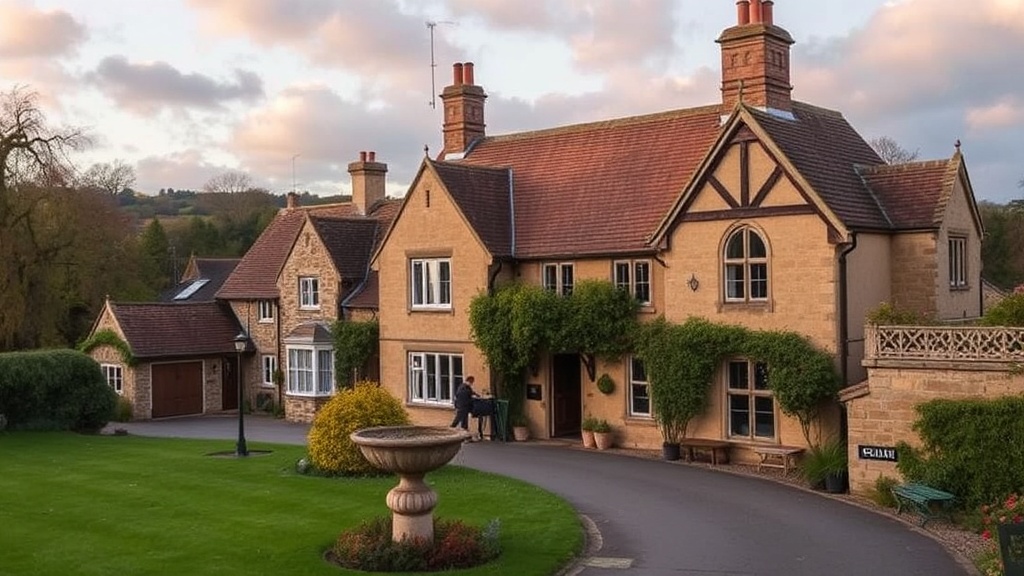
Where Should You Stay When Visiting Rural England's Cotswolds Region?

You're staring at a map of the Cotswolds—those honey-colored villages stretching across Gloucestershire and Oxfordshire—and wondering whether to base yourself in Bourton-on-the-Water with its tourist crowds or somewhere quieter where locals actually outnumber visitors. That decision shapes everything: your morning walks, dinner options, how far you'll drive for that perfect pub lunch. This guide breaks down where to stay based on what you want from your countryside escape—not what the guidebooks insist you should want.
What's the Difference Between the Northern and Southern Cotswolds?
The Cotswolds aren't one place—they're a 787-square-mile Area of Outstanding Natural Beauty with distinct personalities in each corner. The northern reaches around Chipping Campden and Stow-on-the-Wold sit higher, with wider views across the Vale of Evesham and more dramatic escarpments. You'll find fewer coach parties here, more serious walkers, and villages that still function as working communities rather than heritage displays.
Head south toward Tetbury and Malmesbury and the character shifts. The valleys deepen, the stone turns warmer, and the countryside feels more intimate—hedgerows instead of open fields, narrow lanes winding through woodland. This is where you'll find the lifestyle magazine villages: Castle Combe, Bibury, places that photograph beautifully but can feel like film sets on busy weekends.
Your choice depends on priorities. The north offers better walking straight from your door—the Cotswold Way runs through here—and a more relaxed pace outside peak season. The south puts you closer to Bath and Bristol for day trips, with more refined dining options and boutique accommodation. Neither is wrong; they're just different trips entirely.
Which Villages Make the Best Bases for First-Time Visitors?
Burford often tops recommendation lists, and for solid reasons. The high street cascades down a hill toward the River Windrush, with antique shops, independent bookstores, and pubs that haven't been ruined by focus-group refurbishment. You can walk to the countryside within five minutes—cross the river and you're on footpaths through water meadows. The downside? Burford knows its worth. Accommodation costs more here, and parking becomes competitive on summer Saturdays.
Winchcombe offers a compelling alternative. This was a Saxon capital, and it still carries that slight sense of importance—narrower streets, more complex architecture, a parish church that rewards wandering. It's smaller than Burford but better connected: you can reach Broadway, Stanton, and Snowshill without touching a main road. The walking is exceptional—Winchcombe sits at the confluence of multiple long-distance paths including the Cotswold Way and the Winchcombe Way.
For something quieter, consider Blockley or Naunton. Blockley sits in a valley away from the main tourist routes, centered around a former silk mill and medieval church. There's one pub, one shop, and a strong sense that visitors are welcomed rather than catered to. Naunton offers similar seclusion with the added benefit of the River Windrush running through it—perfect for evening strolls and that particular English pleasure of watching dogs retrieve sticks from shallow water.
The practical consideration: smaller villages mean fewer dining options. In Blockley, you'll likely eat at the same pub twice during a three-night stay. That's either charming repetition or maddening limitation, depending on your temperament.
Should You Choose a Hotel, B&B, or Self-Catering Cottage?
Hotels in the Cotswolds range from centuries-old coaching inns to contemporary country house properties with spas and tasting menus. The traditional inns—think The Lamb at Burford or The Swan at Bibury—offer atmosphere in abundance: low ceilings, uneven floors, fireplaces that have been burning since the Restoration. What they sometimes lack is comfort by modern standards. Rooms can be small, bathrooms dated, and noise travels through ancient walls.
The newer country house hotels solve those problems but introduce different ones. Places like Dormy House near Broadway or Thyme in Southrop have invested heavily in design, food, and amenities. They're comfortable, often beautiful, and expensive. You trade authenticity for predictability—which isn't necessarily bad, just a different kind of trip.
Bed and breakfasts run the quality spectrum from professional operations in dedicated guesthouses to spare rooms in family homes with overcooked breakfasts and passive-aggressive notes about towel usage. The good ones offer what hotels can't: genuine local knowledge, flexibility, and that particular pleasure of being looked after rather than processed. Look for properties with Visit Britain quality ratings or independent reviews that mention the hosts by name.
Self-catering cottages dominate the accommodation market, particularly for longer stays. Companies like National Trust Holidays and local agencies offer everything from one-bedroom converted barns to manor houses sleeping twelve. The advantages are obvious: space, privacy, kitchen facilities for those nights when pub dining feels like too much effort. The disadvantages are equally real: you're responsible for everything, including cleaning at departure, and rural cottages can feel isolating if the weather turns bad.
My recommendation for first-timers: start with a quality B&B for two nights to get oriented, then move to a cottage if you're staying longer. That combination gives you local intelligence upfront and independence once you know the area.
When Should You Visit to Avoid the Crowds?
July and August transform the Cotswolds into a parking nightmare. The villages weren't designed for modern traffic—many have single-track approaches with limited passing places—and summer Saturdays see gridlock around popular spots. If school holidays are your only option, plan strategically: visit major villages early (before 9 AM) or late (after 5 PM), and spend the middle hours walking or at less famous locations.
September and early October offer the best balance. The summer crowds thin, the light softens into that golden quality photographers chase, and the countryside prepares for autumn with genuine activity—harvesting, hedgerow cutting, bonfire smoke on evening air. Accommodation prices often drop after the August bank holiday, and restaurants become bookable again.
November through March presents a different Cotswolds entirely. Many tourist-focused businesses close—some B&Bs shutter for the season, restaurants reduce their hours, gardens hibernate behind locked gates. What remains is more authentic and significantly cheaper. You'll need a car (bus services reduce in winter), appropriate clothing, and reasonable expectations for daylight hours. But you'll also experience the countryside as residents do: quiet, occasionally muddy, and genuinely restorative.
Spring breaks the dormancy unevenly. April can still feel wintery; May suddenly erupts with green growth and returning visitors. The literary associations—Laurie Lee's "Cider with Rosie," Richard Adams's "Watership Down"—make more sense in late spring when the landscape feels freshly invented.
How Do You Get Around Without a Car?
The honest answer: with difficulty. The Cotswolds lacks comprehensive public transport. Buses connect major towns—Cheltenham, Cirencester, Stow-on-the-Wold—but village services are infrequent and often designed for school runs rather than tourists. A bus that works perfectly at 8:15 AM might not return until 4:30 PM, which limits your options.
That said, car-free exploration is possible with planning. The Cotswolds National Landscape website details accessible routes, and some villages are genuinely walkable from railway stations. Moreton-in-Marsh has regular trains from London Paddington (about 90 minutes) and sits on the Fosse Way, with footpaths radiating in multiple directions. You could base yourself there and walk to Bourton-on-the-Water, Stow, and even Chipping Campden if you're ambitious.
Taxis exist but require booking—don't expect to hail one. Some accommodation providers maintain relationships with local drivers and can arrange collection from stations. Cycling is increasingly viable thanks to the Cotswold Gateways initiative, though the hills are serious and narrow lanes demand confidence.
The compromise most visitors settle on: train to a hub town, hire a car for two or three days of wider exploration, then return it and walk locally. That rhythm—driving for reach, walking for pleasure—captures what the Cotswolds does best.
What Should You Budget for a Week-Long Stay?
Accommodation costs vary dramatically by season and style. Expect to pay £120-200 per night for a quality B&B in peak season, £800-1500 for a week's self-catering in a desirable village. The trade-off is food: self-catering lets you manage that budget more carefully, while hotels and B&Bs include breakfast and push you toward restaurant dining.
Attraction costs add up. National Trust and English Heritage properties charge entry fees—typically £10-15 per adult—that seem reasonable individually but accumulate across a week. The Cotswold Farm Park, Hidcote Manor, Broadway Tower: each justifies its price, but together they strain a budget. Prioritize based on genuine interest rather than fear of missing out. Some of the best Cotswolds experiences—walking the Cotswold Way, exploring village churches, browsing independent shops—cost nothing.
Dining runs £15-25 for pub lunches, £40-80 for restaurant dinners depending on ambition and alcohol. The Cotswolds has developed genuine food culture in recent years—places like The Wild Rabbit in Kingham or The Feathered Nest in Nether Westcote compete at national level—but you don't need to eat at this level to eat well. Village pubs with local ales and straightforward cooking often deliver more pleasure than refined establishments trying too hard.
A realistic weekly budget for two people sharing: £1,500-2,500 including accommodation, food, transport, and modest attractions. Less is possible with self-catering and walking focus; significantly more is easy if you favor country house hotels and fine dining. The Cotswolds accommodates both approaches without judgment—it has been wealthy long enough not to need to prove anything.