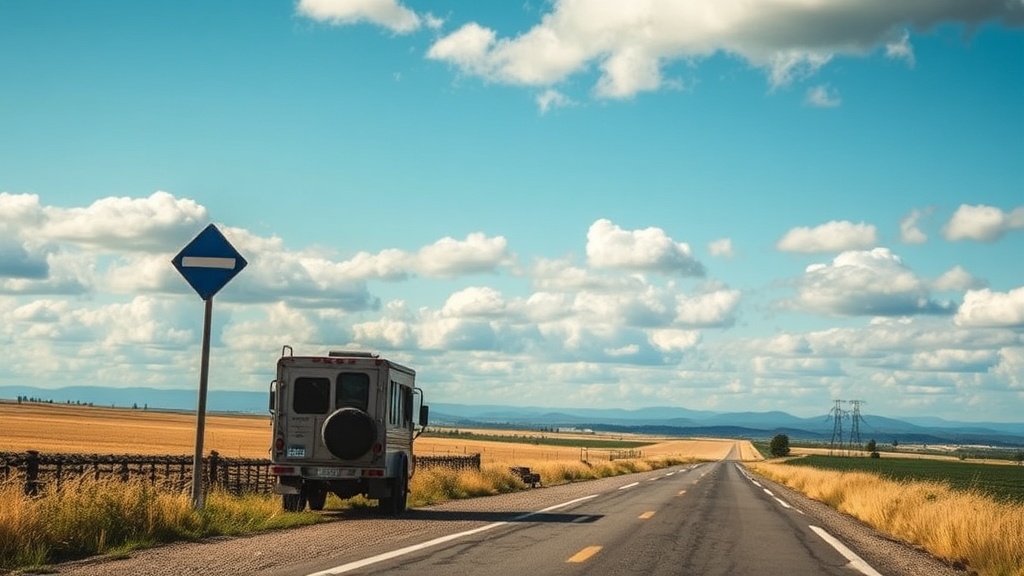
Why Slow Travel Rewards Those Who Choose Rural Routes Over Highways
Here's something that might surprise you: travelers who spend twice as long in half as many places report 40% higher satisfaction with their vacations than those who rush through packed itineraries. That statistic—courtesy of a 2023 study by the European Travel Commission—cuts against everything modern tourism usually sells us. More sights, more cities, more stops isn't the formula for a memorable trip. Instead, the people who come home truly refreshed are the ones who slow down and let a place seep in.
Slow travel isn't about moving at a snail's pace or skipping must-see attractions. It's about trading efficiency for depth, choosing the winding country lane over the motorway, the family-run guesthouse over the chain hotel on the outskirts. For countryside escapes specifically, this approach transforms a standard vacation into something far more rewarding—you'll taste regional dishes prepared the same way for generations, stumble upon village festivals not listed in any guidebook, and build genuine connections with locals who have time to talk. This guide will walk you through planning a slow travel experience in rural areas, from selecting your base to structuring days that leave room for spontaneity.
Where Should You Base Yourself for Maximum Immersion?
The foundation of any slow travel trip is choosing where to stay—and in the countryside, this decision carries more weight than in cities. Urban travelers can hop on a subway and reach any neighborhood within twenty minutes. Rural areas don't work that way. A poorly chosen base means hours in a rental car each day, which defeats the entire purpose of slowing down.
Look for towns with populations between 2,000 and 15,000. These are large enough to have basic services—decent restaurants, a small grocery, perhaps a pharmacy—but small enough that you won't be competing with tour buses. The sweet spot is a town that serves as a natural hub for the surrounding region. In France's Dordogne, for example, Sarlat-la-Canéda works beautifully because multiple valleys, caves, and medieval villages radiate outward within a thirty-minute drive. In England's Lake District, Ambleside puts you within reach of multiple fells and lakes without requiring constant relocation.
Once you've identified a candidate town, dig deeper into its daily rhythm. Does it have a weekly market? (It should—this becomes the anchor of your week.) Are there working farms nearby that welcome visitors? A local brewery, winery, or cheesemaker offering tours? The best bases have productive, working landscapes around them, not just scenic views. You're looking for places where agriculture and tourism coexist, because that's where authentic experiences live.
Consider accommodation type carefully. Self-catering cottages encourage you to shop at local markets and cook with regional ingredients—an immersion activity in itself. Small guesthouses and B&Bs put you in conversation with hosts who know every walking path and hidden swimming hole. Avoid all-inclusive resorts or large hotels with their own restaurants; they isolate you from the community you're visiting. Websites like Sawday's specialize in characterful, independently owned properties ideal for slow travel.
What's the Right Pace for a Countryside Itinerary?
Here's where most travelers sabotage themselves: they plan too much. A countryside slow travel trip should feel spacious—days with only one or two planned activities, leaving hours unscheduled. This isn't laziness; it's strategic. The unplanned moments—getting lost on a back road, being invited into a local's garden, discovering a village pub with live music—are what you'll remember years later.
Structure your week around immovable local events first. If your base town has a Friday market, build the week outward from that. Maybe Tuesday is the day the local dairy farmer welcomes visitors. Thursday might feature an evening farmers market in a neighboring village. These anchors give your week shape without rigidity. Everything else fills in around them.
Plan for a maximum of one "travel day" per week—the day you arrive or depart from your rural base. Even then, keep it gentle. Arrive in the afternoon, settle into your accommodation, take a short walk to orient yourself, and have a relaxed dinner. Don't schedule activities for arrival day. Your mind needs time to shift from travel mode to presence mode.
Within individual days, adopt the local schedule. In Mediterranean rural areas, this means accepting the siesta—shops close, streets empty, and the sensible response is to retreat to your accommodation for a few hours. Read, nap, write postcards. In northern Europe, it might mean early starts to catch morning light and local cafes opening at 6 AM. Don't fight the rhythm of the place you're visiting. The Slow Travel Movement has excellent resources on adapting your pace to local customs.
How Do You Connect with Local Culture Without Speaking the Language?
The language barrier intimidates many travelers from venturing deep into rural areas. It's true that countryside regions often have less English spoken than cities. But this obstacle is also an opportunity—forcing you out of tourist-transaction mode and into more creative forms of connection.
Learn twenty words before you go. Not restaurant phrases (though those help) but relationship words—hello, goodbye, please, thank you, beautiful, delicious, family, home. These are the words that open doors. Combine them with gestures, smiles, and genuine curiosity, and you'll be amazed how far you get. Carry a small notebook to draw sketches or write numbers when needed. Most rural residents appreciate any effort to communicate in their language and will meet you halfway with patience.
Food transcends language barriers spectacularly well. Taking a cooking class—even a informal one arranged through your accommodation—creates hours of shared activity where demonstration fills gaps in conversation. Visiting working farms, participating in harvests (many regions have programs connecting travelers with seasonal agricultural work), or simply eating at the same village restaurant three nights in a row builds familiarity. The proprietor will start recommending dishes, introducing you to regulars, sharing stories.
Look for "slow food" events and organizations. The Slow Food movement originated in rural Italy and now operates worldwide, preserving traditional foodways and connecting small producers with conscious consumers. Their events—from village sagre (food festivals) to guided tastings—create natural contexts for meeting locals who care deeply about their region's culinary heritage.
What Should You Pack for a Slow Travel Countryside Trip?
Paradoxically, slow travel requires more thoughtful packing than whirlwind tourism. When you're staying in one place for a week or more, comfort matters. When you're shopping at local markets and self-catering, certain tools help. When you're walking rural paths daily, proper gear becomes non-negotiable.
Start with footwear—one pair of sturdy, broken-in walking shoes suitable for uneven terrain, and one pair of comfortable casual shoes for village exploring. That's it. Leave the dress shoes, the "just in case" heels, the multiple sneakers. Rural areas have mud, cobblestones, and steep paths. Your feet will thank you for consistency.
Pack a small, sturdy bag for market shopping—canvas or mesh, something that folds small but expands to carry produce, bread, cheese. Bring a pocket notebook and pen for recording recommendations, sketching landscapes, or playing communication charades. A reusable water bottle and basic first aid supplies matter more in areas where shops close Sundays and pharmacies might be in the next town.
Most importantly, pack patience and flexibility. Rural life operates on different schedules than cities. That restaurant recommended in your guidebook? It might be closed because the owner's mother is ill. The walking path might be blocked by sheep herding. The bus might not come because of a harvest festival you didn't know about. These aren't disruptions to your trip—they are your trip. The sooner you embrace uncertainty as a feature rather than a bug, the sooner the magic begins.
Slow travel through countryside regions rewards those willing to surrender control. You won't see as many sights. Your Instagram won't have the breadth of someone who visited twelve cities in fourteen days. But you'll have depth—real conversations, genuine understanding of a place, memories that don't blur together. You'll return home with stories no guidebook could have scripted and a sense of restoration that no luxury resort spa could provide. The countryside has always moved at its own pace. The question is whether you'll move with it—or rush past, missing everything that matters.