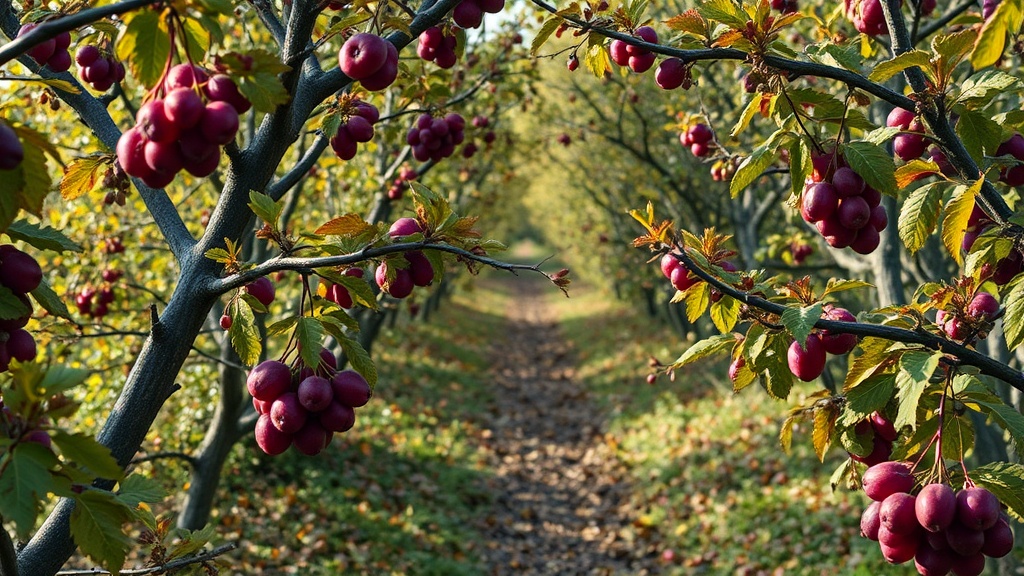
7 Seasonal Foraging Walks Through Old Orchard Trails

Springtime Blossoms and Wild Garlic
Summer Berry Picking in Sun-Drenched Orchards
Autumnal Fungi and Nut Harvesting
This guide provides a seasonal breakdown of the seven best foraging routes through the Old Orchard Trails system, including specific plant types to look for and the best gear to bring. You'll find advice on timing your trips to catch peak harvest windows for wild edibles like ramps, berries, and mushrooms.
What is the best time of year to go foraging in Old Orchard?
The best time to forage in Old Orchard is between late April and late September, depending on the specific species you are hunting. Spring offers greens and roots, summer brings berries, and early autumn is the peak for mushrooms and nuts. If you try to go in late October, you'll mostly find decaying matter and nothing edible.
Foraging is all about timing. If you miss the window for wild garlic by even two weeks, you'll find nothing but empty soil. It's a bit of a race against the weather—and the local deer population, who often eat the goods before we do.
1. The Spring Greenery Route (Late April – May)
This trail starts near the lower trailhead and focuses on the forest floor before the canopy closes. You're looking for things like wild ramps (also known as wild leeks) and stinging nettles. These are the first signs of life after the frost melts.
What to look for:
- Wild Ramps: Look for the broad, green leaves popping through the leaf litter.
- Stinging Nettles: Found in damper, shaded areas.
- Dandelion Greens: Widely available in the meadow fringes.
I highly recommend wearing something like the Patagonia Torrentshell jacket during these walks. The spring weather in this region is unpredictable—one minute it's sunny, the next it's a downpour. Also, bring a pair of sturdy gloves if you're reaching into nettle patches.
2. The Berry Patch Loop (June – July)
As the weather warms, the trails through the mid-section of the Old Orchard network become a haven for fruit. This is a high-energy walk that requires a bit more stamina because the terrain gets slightly more uneven.
The goal here is to find wild strawberries and raspberries. These aren't the giant ones you see in grocery stores, but the flavor is far more intense. You'll want to bring a small, breathable mesh bag to keep your finds from bruising.
If you're planning a longer trip, check out my guide on how to pack for a weekend trip so you don't overstuff your bag with unnecessary gear. You only need the basics for a foraging walk.
3. The Fungal Forest Path (August – September)
This is the most technical walk of the seven. It requires a keen eye and a lot of patience. August marks the beginning of the mushroom season, and the trails through the old-growth sections are prime territory.
You might spot Chanterelles or even morels if the humidity is right. However, a word of caution: never eat anything unless you are 100% certain of its identity. I always keep a copy of a local field guide in my pack. If you aren't sure, don't eat it. Period.
"The difference between a delicious meal and a hospital visit is often just a single leaf or a slight variation in color."
4. The Autumnal Nut Walk (September – October)
The final major foraging window happens as the leaves turn. This route follows the higher elevations of the trails. You're looking for fallen acorns or hazelnuts that have dropped from the canopy.
The ground is much harder here, so wear boots with good ankle support. The terrain is crunchier and less forgiving than the spring paths. It's a great time to gather supplies for the winter, though most people just do this for the hobby of it.
How much gear do I need for a foraging walk?
You don't need much, but a high-quality knife, a basket, and a field guide are the three non-negotiable items. Foraging is a low-impact activity, but having the right tools makes it much more enjoyable.
| Item | Purpose | Recommended Type |
|---|---|---|
| Knife | Cleanly cutting stems/roots | Small paring knife |
| Basket | Breathable storage | Wicker or mesh |
| Field Guide | Identification | Laminated or waterproof |
| Footwear | Traction/Protection | Mid-cut hiking boots |
5. The Meadow Flora Walk (Early Summer)
This isn't a deep-forest trek. It's a walk through the open areas where the sunlight hits the ground directly. You'll find much more "flower-based" foraging here, such as elderflower or clover.
It's a much lighter walk—perfect for a midday stroll. The wind can pick up in the meadows, though, so keep an eye on the sky. If you see dark clouds, head back to the trailhead immediately. The open areas offer zero cover.
6. The Riparian (Riverbank) Route (Summer)
This trail runs alongside the creek that cuts through the center of the Old Orchard area. The moisture levels here are much higher, which changes what you find. You'll find more water-loving plants and even certain types of aquatic greens.
Be careful with your footing. The rocks near the water are notoriously slippery. I've seen many people slip while trying to reach for a plant near the edge. Stay a few feet back from the bank at all times.
7. The Deep Shade Trail (Late Summer)
This is the longest and most difficult of the seven walks. It stays under the thickest part of the canopy, meaning it stays much cooler than the other trails. This is where you find the more "hidden" edibles that prefer the dark.
It's a great place to find certain types of ferns and mosses, though you shouldn't harvest moss. This walk is for the experienced foragers who know how to read the forest floor. It's much more solitary than the Meadow Flora walk.
For those interested in the scientific side of plant identification, the Wikipedia page on foraging offers a deep dive into the history and methods of the practice. It's a great resource for anyone wanting to go beyond the basics.
If you find yourself in the area and want to see how these wild ingredients end up on a plate, look into finding slow food in local markets. It's a perfect way to see the connection between the land and the table.
The most important rule of all? Leave no trace. If you're harvesting, take only what you need and leave the rest for the local wildlife and the next person on the trail. It's a delicate balance, but when done right, it's incredibly rewarding.