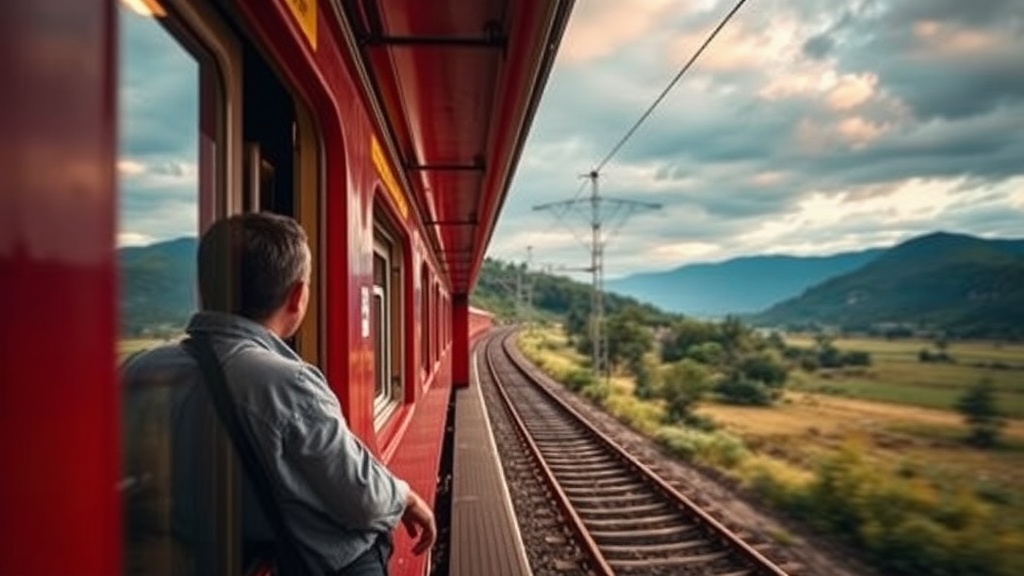
Navigating Rural Train Journeys for Scenic Landscapes

Navigating Rural Train Journeys for Scenic Landscapes
This guide provides practical strategies for booking, packing, and seating yourself for the best views on rural rail routes. You'll find specific tips on choosing the right side of the train, managing luggage in tight spaces, and timing your trips to match seasonal changes. Whether you are traveling through the Scottish Highlands or the rolling hills of the American Midwest, these steps ensure you spend more time looking out the window and less time stressing over logistics.
Rail travel offers a perspective you just can't get from a highway. It's slower, yes, but that's the point. You aren't just moving from point A to point B; you're actually witnessing the terrain shift in real-time. I've found that the difference between a mediocre trip and a memorable one often comes down to a single decision—like which side of the carriage you sit on.
It isn't just about the view, though. It's about the rhythm of the rails. There's a specific kind of peace that comes with a steady, rhythmic motion that makes reading a book or even just staring at a field feel productive. (Even if you're just napping, it counts as a win in my book.)
How Do I Choose the Best Seat for Scenic Views?
The best seat for viewing scenery is almost always the one facing the direction of travel or the side of the train that avoids heavy shadows. Most people make the mistake of booking a seat based on proximity to the bathroom or the door, but if your goal is photography or sheer awe, you need to prioritize the window placement.
Before you book, check a map of the route. If the train curves around a mountain or a coastline, one side of the train will have a much more dramatic view than the other. For example, if you're taking a route through the Glenfinnan Viaduct in Scotland, you'll want to be positioned to see the arches clearly. It's a small detail, but it makes a massive difference in your photos.
Here is a quick checklist for your seating strategy:
- Direction of Travel: Sit facing forward if you want to watch the landscape unfold; sit backward if you want to see the tracks receding behind you.
- Sun Position: Check the time of day. If the sun is hitting the west side of the train at 4:00 PM, the east side will offer much better visibility without the glare.
- Window Quality: On older models, windows might be slightly tinted or scratched. If you're a serious photographer, look for newer carriage classes.
- The "Quiet Coach": If you want to actually hear the wind and the rails rather than a teenager's headphones, always opt for the designated quiet car.
I once spent three hours on a train through the Appalachian foothills. I sat on the "wrong" side and spent the whole time staring at the back of someone's head because the sun was blindingly bright on the left. I learned my lesson: always check the sun's path before you settle in.
What Should I Pack for a Long Train Trip?
You should pack a small, dedicated "cabin bag" containing snacks, hydration, and entertainment to avoid constantly digging through your larger luggage. While most long-distance trains have luggage racks, they can be far from your seat, and you don't want to be standing in the aisle every twenty minutes.
Don't rely on the onboard cafe. While many regional lines have dining cars, they aren't always reliable or frequent. I always bring my own high-quality snacks—think protein bars or dried fruit—and a sturdy water bottle. It’s much more efficient than waiting for a trolley that might never come.
If you are traveling through changing climates, layers are your best friend. Even if it's warm outside, the air conditioning on trains can be aggressive. I never leave home without a lightweight jacket or a pashmina. A Patagonia Nano Puff or a similar lightweight down vest is perfect for this—it takes up almost no room but keeps you warm when the AC kicks in.
If you're a light traveler, you might find these tips helpful for your next outing: Pack Light, Stay Longer: The Weekend Countryside Essential Guide.
| Item Category | Must-Have Example | Why It Matters |
|---|---|---|
| Electronics | Portable Power Bank | Outlets can be unreliable or non-existent. |
| Comfort | Noise-Canceling Headphones | Blocks out engine noise and chatter. |
| Nutrition | Reusable Water Bottle | Hydration is key for long-haul trips. |
| Outerwear | Lightweight Scarf/Shawl | Adapts to varying AC temperatures. |
When is the Best Time to Travel for Scenery?
The best time to travel for scenery is during the "shoulder seasons"—specifically spring and autumn—when the colors are most dramatic and the crowds are thinner. While summer offers long days, the heat and the sheer number of tourists can make the experience feel less "escapist" and more like a crowded commute.
Autumn is particularly stunning for rail travel. The way the light hits the changing leaves through a train window is something else entirely. It creates a sense of depth that you just don't get in the harsh, high-noon sun of mid-summer. If you're traveling through mountainous regions, the way the mist settles in the valleys during the early morning hours is a sight to behold.
That said, keep an eye on the weather. A beautiful scenic route can be ruined by a thick fog that obscures everything. If you're looking for clear views, check the Met Office or your local meteorological service a few days before departure. A little bit of cloud cover can add mood, but total whiteout is just frustrating.
If you're planning a trip that involves more than just sitting on a train—perhaps some walking through those same landscapes—you might want to look into seasonal foraging walks to make the most of your destination.
One thing to remember: the view is a living thing. It changes every hour. If you find yourself stuck in a seat with a bad view, don't panic. Most trains have vestibules or even small cafe cars where you can stand and look around for a few minutes. It's worth the small walk to get a better angle.
The beauty of the rail is the stillness. You aren't fighting traffic or looking for a parking spot. You're just moving. And once you get into that rhythm, the landscape starts to feel less like a backdrop and more like a part of the experience itself.